
Exterior House Painting in Westchester County, NY
A lasting exterior starts with the surface beneath the paint. We inspect your home, define the preparation and repairs, and protect the property before work begins.
- A written scope for siding, trim, preparation, and repairs
- Careful protection of landscaping, walkways, windows, and roofing
- Scheduling around the weather and the coating requirements
Exterior painting begins with the condition of your home
One side of a house can be sun-faded while another stays damp under tree cover. We walk the elevations, review the existing coating, look for failed caulk and damaged wood, and plan the preparation that each surface needs. The proposal spells out the work before a start date is set.
From our Katonah office, Genesis Pro Painting handles full exterior repaints and clearly defined smaller projects across Westchester. If trim repair or cleaning is needed first, we identify it during the walkthrough instead of hiding it beneath a new coat.
We also consider exterior painting for suitable offices, managed buildings, senior living communities, and private schools. See our commercial interior and exterior painting service for how we review these properties.
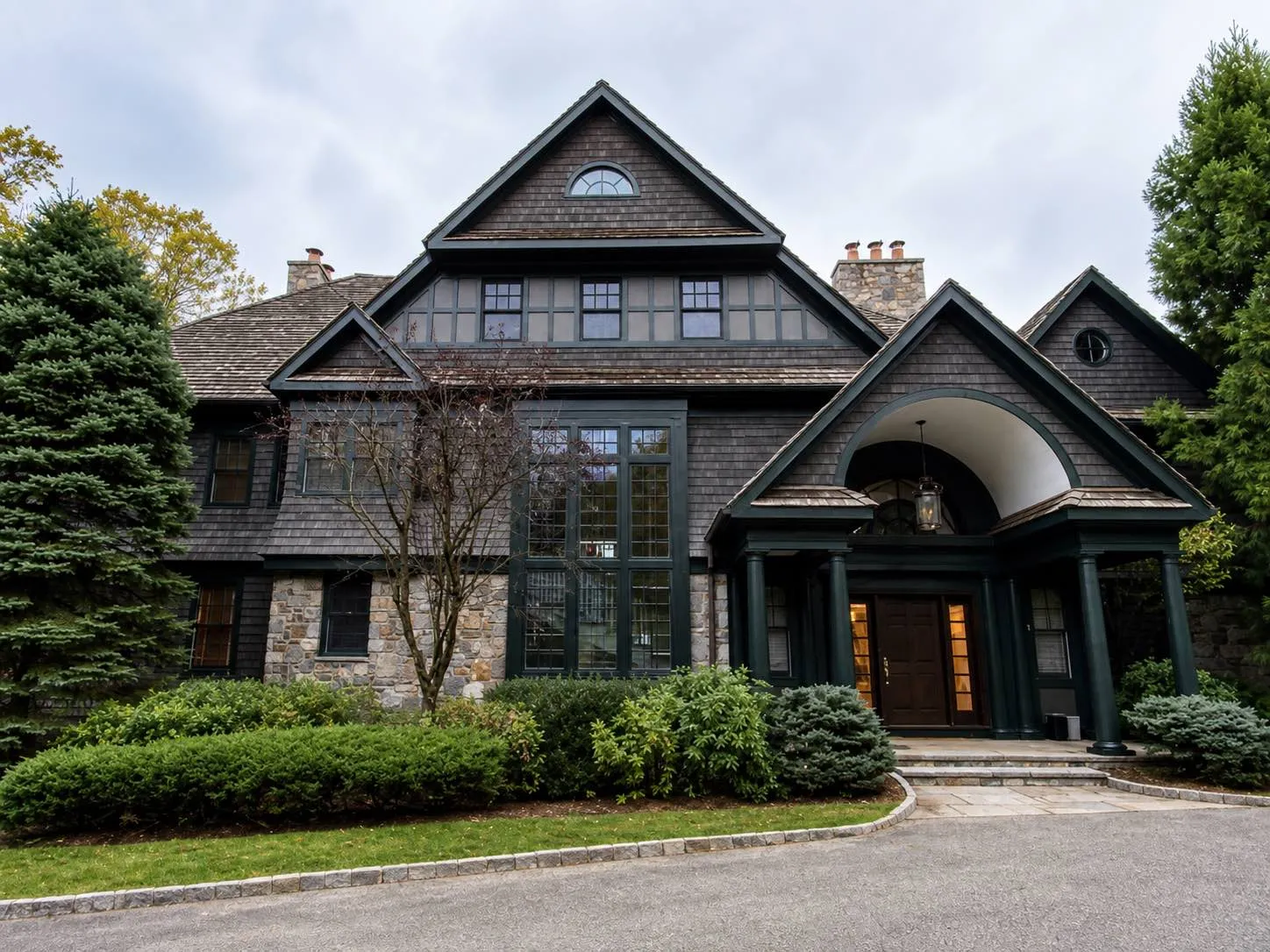
Siding and shingles
Wood clapboard, cedar shingles, and other siding evaluated for coating condition, moisture, loose paint, and compatible finish options.
Trim, fascia, and soffits
Window and door casings, corner boards, fascia, and other details that may need scraping, repair, caulking, and spot priming.
Doors, shutters, and garages
Entry doors, garage doors, shutters, and exposed details included in the written scope when they are part of the project.
Porches and railings
Porch ceilings, columns, railings, and other elements that need a separate preparation and coating plan.
Other exterior surfaces
Vinyl, aluminum, fiber cement, stucco, and previously painted masonry require a surface-specific assessment before we recommend painting.
Related exterior work
When needed, we can include carpentry repair, pressure washing, and a separate deck refinishing scope.
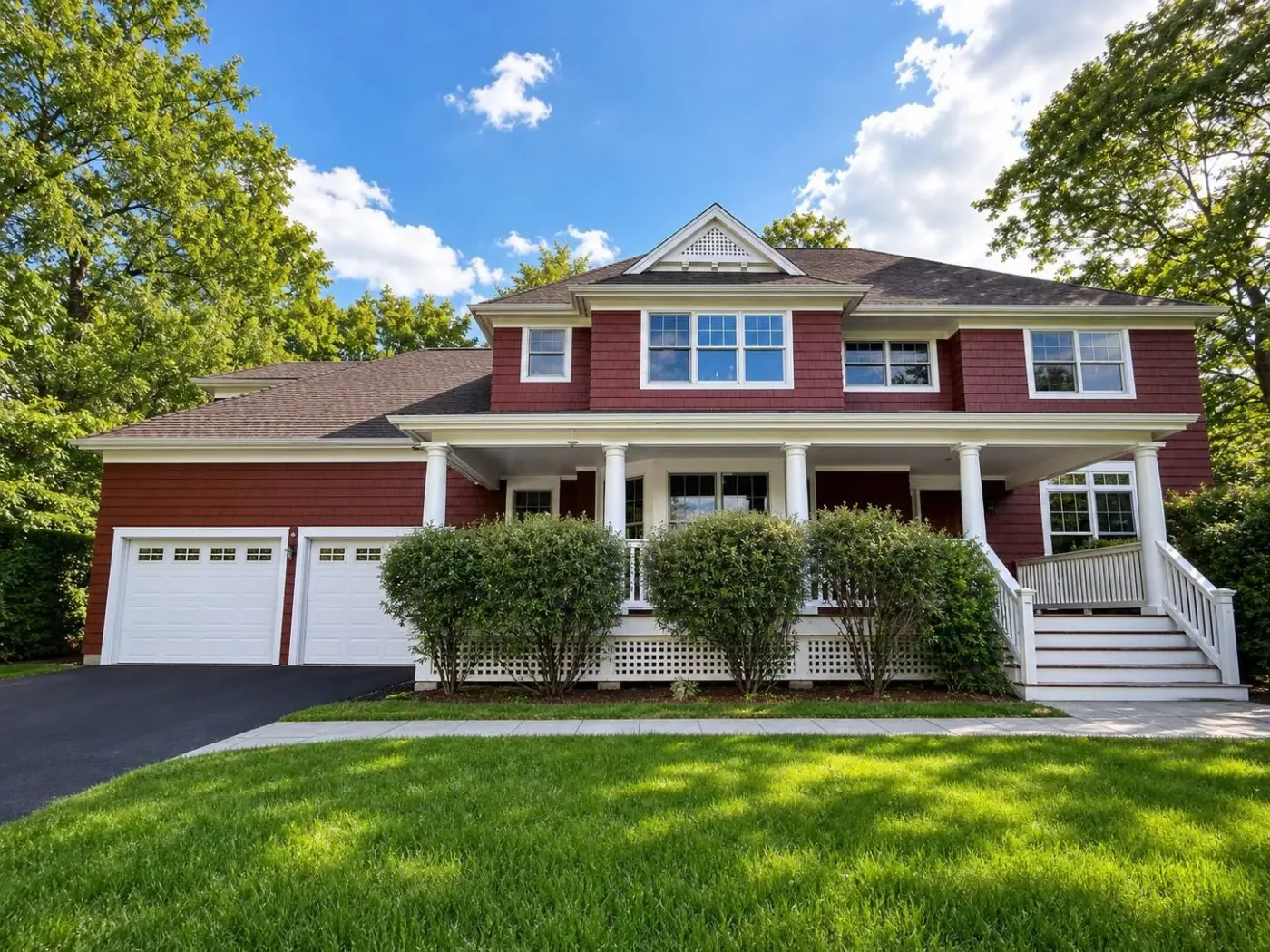
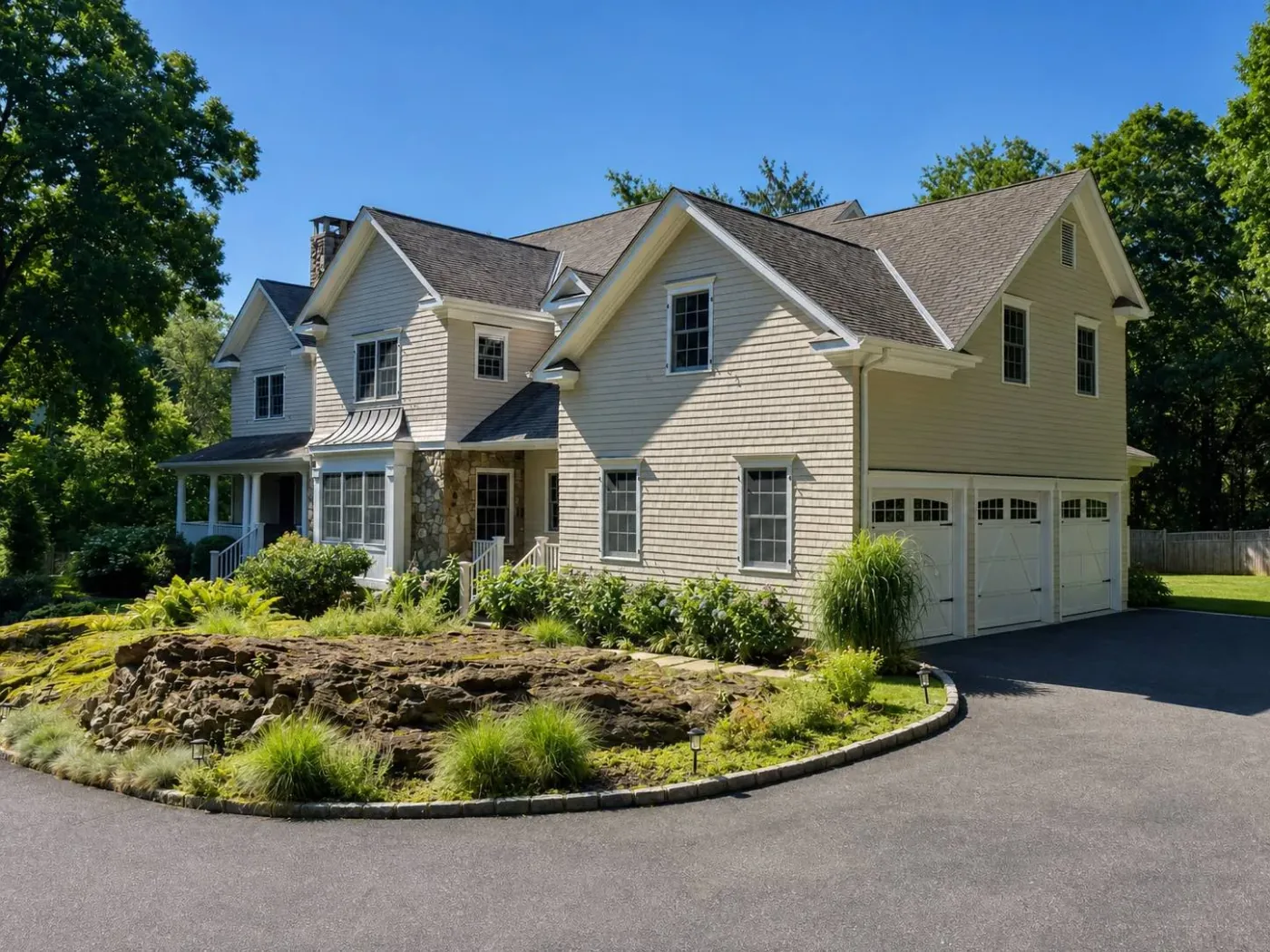
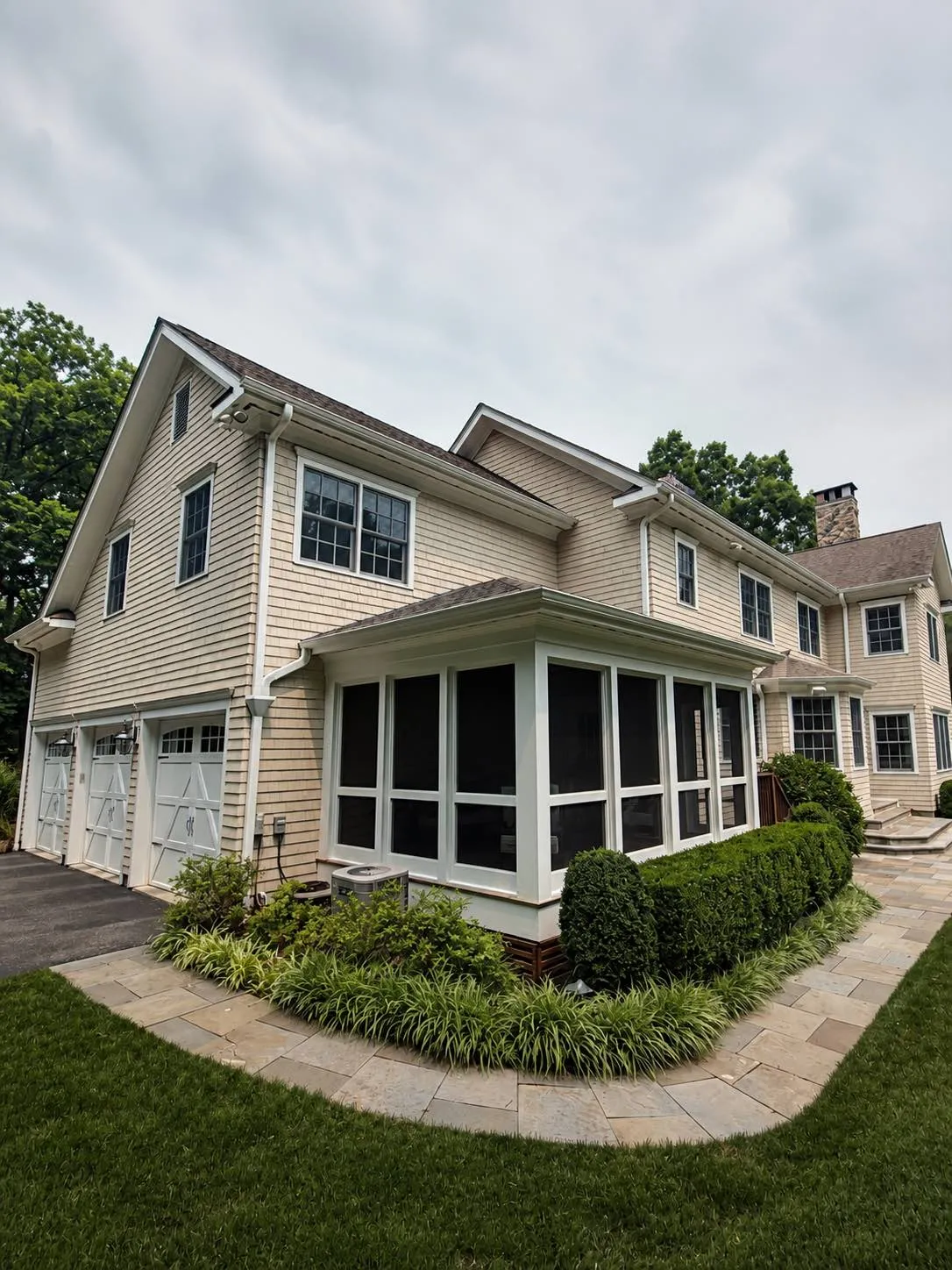
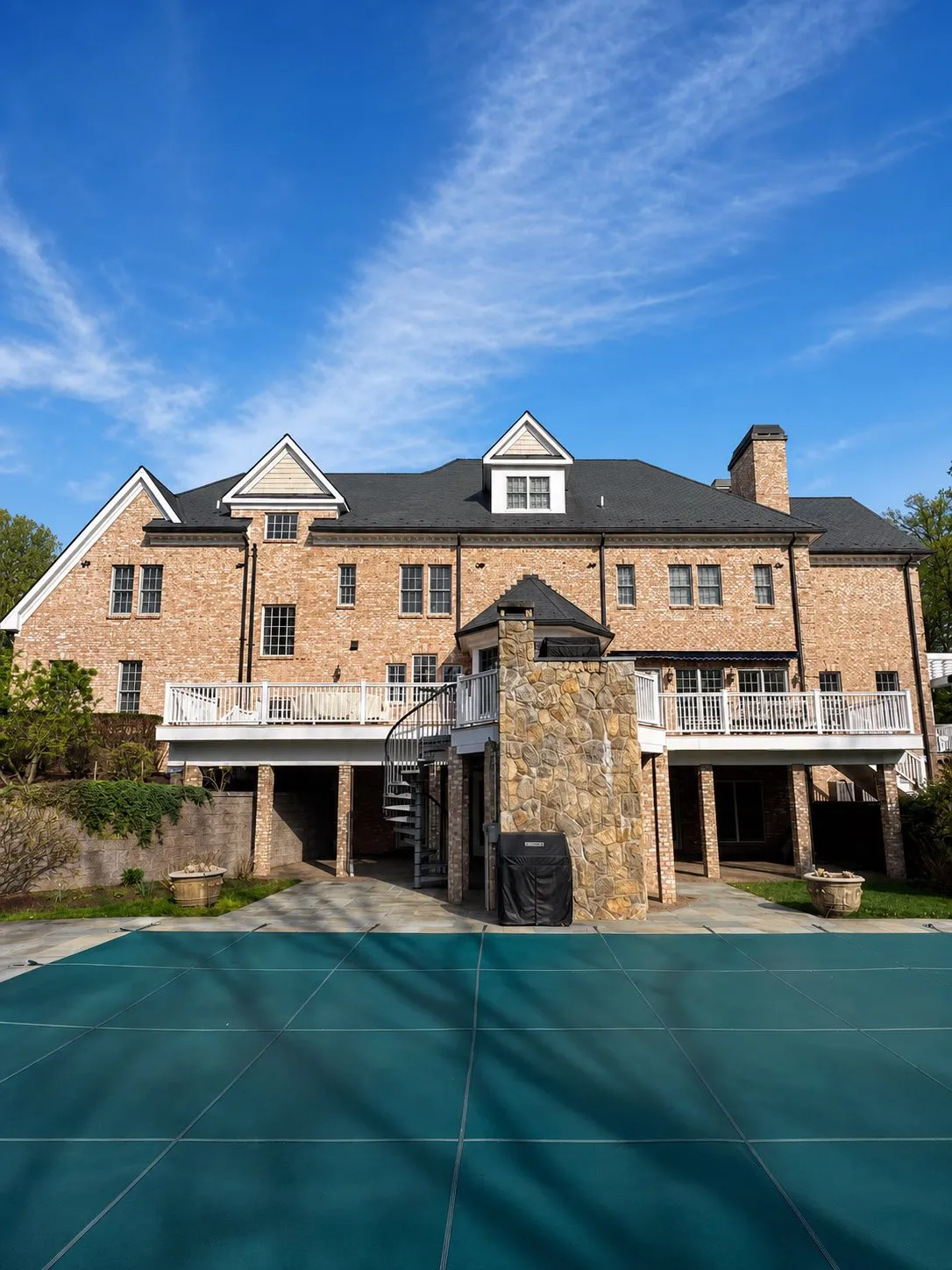
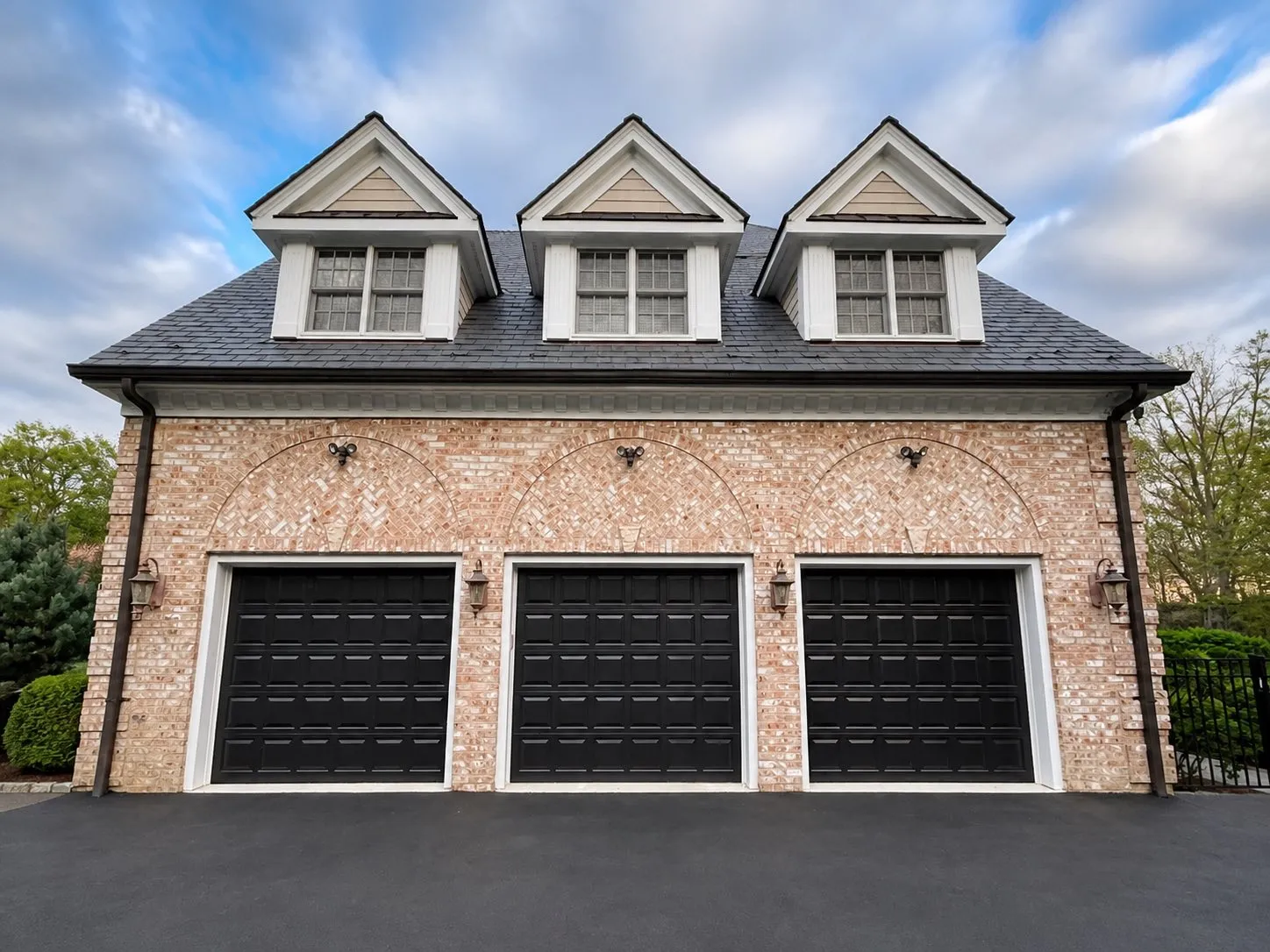
Exterior projects across Westchester
What happens before the finish coat
Exterior paint performs best when it goes onto a clean, sound, properly prepared surface. The work varies with the material and the condition we find on site.
Inspect and define the scope
We review siding, trim, windows, doors, access, and each elevation. Visible rot, failing caulk, and loose coatings are identified before the proposal is finalized.
Protect and clean
Landscaping, walkways, windows, and adjacent finishes are protected. Cleaning removes the dirt and growth that can keep a new coating from bonding.
Repair, scrape, and prime
We document damaged wood and signs of moisture. Carpentry repairs included in the proposal are handled before painting; active leaks must be corrected before coating. Loose paint is removed, edges are sanded, and bare or repaired areas are primed as needed.
Paint in suitable conditions
Surface dryness, temperature, humidity, rain, and dew all matter. We plan application around the coating instructions and the actual conditions at your property.
Want to understand the estimate? Read what affects exterior painting cost in Westchester.
Our Exterior Painting Process
Our process is designed to make the project feel clear, organized, and properly handled from the first conversation to the final walkthrough.
Initial Conversation
- Which sides and surfaces you want painted
- Concerns and priorities you want handled
- What needs to happen before planning
Consultation and Scope Review
- Siding, trim, and woodwork reviewed on site
- Rot, failing caulk, and repairs identified
- Timing, color, and expectations aligned
Clear Proposal
- Everything included clearly listed
- What is not included, in writing
- How the project will be handled
Scheduling and Preparation
- Project scheduled around the weather window
- Start date and property access confirmed
- Production team and materials prepared
Painting and Final Walkthrough
- Landscaping, walkways, and windows protected
- Washing, scraping, priming, caulking, and painting
- Site cleaned, final walkthrough, and touch-ups
Future Support
- Available for future painting needs
- Maintenance questions welcome
- Decks, fences, or added areas as needed
Exterior painting near our Katonah office
Our office is in Katonah, and we plan exterior projects throughout northern Westchester. For town-specific details, choose the area where your home is located.
We also serve other parts of Westchester and nearby Fairfield County, CT. See all service areas →
Planning an exterior repaint?
Practical guidance on timing, preparation, coatings, and costs for Westchester homeowners.
Related guides: when an exterior needs repainting, painting around Westchester weather and why exterior washing matters.
Exterior painting questions homeowners ask
What affects exterior house painting cost in Westchester?
The size and height of the house, surface condition, scraping and repairs, access, protection, trim detail, and coating choices all affect the scope. We inspect the home and provide a written proposal rather than quote a universal price by square foot.
Can you repair damaged wood before painting?
We assess visible damage during the walkthrough and identify carpentry repairs that should be included. If hidden damage appears after work begins, it should be documented and discussed before additional work is authorized.
Do you paint wood, vinyl, fiber cement, and masonry?
We evaluate the material and existing finish first. Wood, vinyl, fiber cement, and masonry have different preparation and coating requirements. Some surfaces or conditions may need repair or a different solution before painting is appropriate.
How do you choose the right weather window?
The surface must be clean and dry, and the temperature, humidity, dew, rain forecast, and drying time must fit the coating manufacturer’s instructions. We plan the schedule around those conditions rather than a calendar date alone.
How long does an exterior painting project take?
A project can take several days to a couple of weeks or longer, depending on house size, preparation, repairs, access, and weather. We discuss a realistic schedule after assessing the property.
Let’s review your exterior
Tell us what you are seeing on the siding and trim. We will walk the property, explain the preparation and repair needs, and put the scope in writing.