
How Often Should You Paint a House Exterior?
How often should you paint a house exterior? Learn how climate, siding, preparation, and warning signs shape a practical repainting schedule in Westchester.
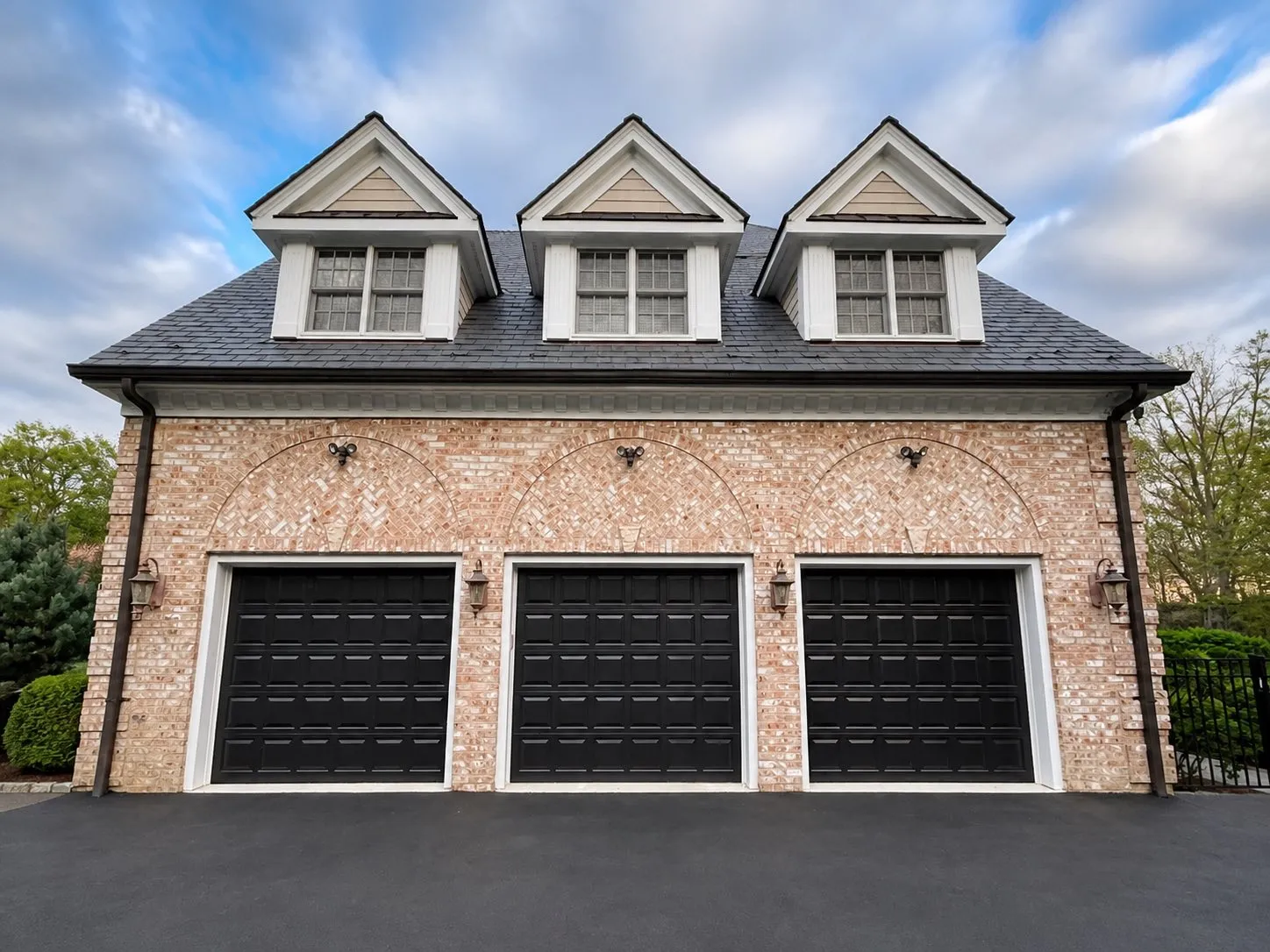
How often should you paint a house exterior? For many homes, the answer falls somewhere between five and twelve years, but a calendar alone cannot tell you when your house is ready. The exterior material, the quality of the last paint job, sun and moisture exposure, and the amount of preparation all affect how long exterior paint lasts.
In Westchester County, a practical exterior repainting schedule has to account for hot summers, winter moisture, freeze-and-thaw cycles, tree cover, and the condition of the wood or siding underneath. That is why a home in Katonah may need a different plan from another house a few miles away, even when both were painted around the same time.
How often should you paint a house exterior?
There is no single schedule that applies to every house. As a broad planning range, many exterior paint projects need attention about every five to twelve years. Some homes fall closer to the shorter end because they have exposed wood, strong sun, heavy moisture, or a previous job with limited preparation. Others go longer when the surface, coating, and maintenance have all worked in their favor.
The most useful way to think about the schedule is to combine the age of the current coating with the condition of the surface. A house that was painted eight years ago may still have sound, well-adhered paint. Another house painted four years ago may already show peeling around windows, failing caulk, or exposed trim.
How long exterior paint lasts depends on the surface
The material being painted is one of the biggest factors in house painting maintenance.
Wood siding and trim move as moisture levels change. South- and west-facing elevations may fade or dry faster, while shaded areas can hold moisture and encourage mildew. Trim, fascia, window sills, and exposed end grain often need attention before the larger wall surfaces.
Fiber-cement siding can hold a finish well when it is cleaned, repaired, primed where needed, and coated with a compatible exterior product. Joints, edges, and areas around penetrations still deserve close inspection.
Vinyl siding may not need the same repainting frequency as painted wood, but it can still fade, chalk, or develop color and adhesion problems if the wrong product is used. Product instructions and color limitations matter, especially when choosing a darker color.
Masonry and brick require a separate evaluation. They are not interchangeable with siding, and moisture movement, efflorescence, mortar condition, and coating compatibility all affect the decision. Painting brick is a more specific project than simply applying another coat to a previously painted siding surface.
The same property can also have different schedules for different elevations. An exposed gable, shaded north wall, porch ceiling, and sheltered side wall do not experience the same conditions. A good inspection looks at the whole exterior and records where failure is starting, instead of assuming every surface is aging at the same rate.
Signs your home needs exterior repainting
Visible failure is usually more useful than the calendar. Look for these warning signs during a walk around the house:
- Peeling, blistering, or cracking paint
- Bare wood or exposed substrate
- Chalking that leaves a powder on your hand
- Faded or uneven color on sun-exposed walls
- Failed caulk around windows, doors, and trim
- Soft spots, splitting, or open joints in exterior wood
- Mildew or biological growth that returns after cleaning
- Areas where the old coating is separating from the surface
Not every problem means the entire house needs to be repainted immediately. A localized repair may be appropriate when the surrounding coating is still sound. On the other hand, painting over widespread failure often hides the problem briefly and creates a larger preparation job later.
Pay particular attention to horizontal edges and transition points. Window sills, fascia, porch details, corner boards, and the bottom edges of siding collect more water than broad wall surfaces. They can reveal moisture or maintenance issues before the main elevations look worn.
How Westchester weather affects an exterior repainting schedule
Weather does not only affect the day paint is applied. It also affects how the existing coating ages.
Sun exposure can fade color and accelerate the breakdown of the paint film. Rain and humidity can expose weak caulk, open joints, and unsealed wood. Snow and repeated freezing and thawing can widen small cracks or push moisture into areas that were already failing.
That is why an exterior painting schedule should include seasonal inspections. Spring is a useful time to look for damage left by winter. Summer sunlight makes fading and chalking easier to spot. Fall is a good time to identify repairs before the next cold season, although the actual painting window depends on temperatures, surface conditions, and the product specifications.
The best weather for exterior painting is not simply a warm afternoon. The surface needs to be clean and dry, temperatures need to remain within the coating manufacturer's range, and rain, high humidity, dew, and direct heat need to be considered. Read our guide to weather, seasons, and exterior painting before choosing a project date.
Preparation determines how long exterior paint lasts
A repainting schedule becomes shorter when the previous job was applied over dirt, mildew, chalking, loose paint, failed caulk, or damaged wood. New paint cannot correct an unstable surface underneath it.
Proper preparation may include protecting the property, cleaning the exterior, removing loose coating, sanding or feathering edges, repairing damaged areas, replacing failed caulk, and priming bare or repaired surfaces. The exact steps depend on the substrate and the condition of the existing finish.
Preparation also helps identify work that should happen before painting. Rotted trim, leaking details, and persistent moisture need to be addressed rather than sealed behind a new coat. For a broader explanation of why preparation changes the life of a paint job, read why preparation decides how a paint job ages.
The estimate should make this scope clear. A low price that excludes cleaning, repairs, caulking, or primer may not be comparing the same project as a more complete proposal. The important question is not only how much paint will be applied, but what will happen before the paint reaches the surface.
A practical exterior repainting schedule for homeowners
Instead of waiting for a major failure, use a simple maintenance routine:
- Inspect the exterior once or twice a year. Walk around the property and look closely at trim, windows, doors, corners, shaded elevations, and areas near rooflines or gutters.
- Record small issues. Note peeling, cracked caulk, mildew, exposed wood, and areas that stay damp. Photos can help you compare changes over time.
- Plan an assessment before the coating fails broadly. If the paint is approaching the end of its expected life or several warning signs appear, schedule an evaluation before the work becomes urgent.
- Separate repairs from painting. Ask whether carpentry, moisture correction, masonry work, or additional preparation is needed before coating.
- Choose the schedule around the surface and weather. The right date is the one that gives the crew suitable conditions to prepare, apply, and allow the coating to dry correctly.
For homeowners in communities such as Katonah, the Katonah service area page provides local context, while the Exterior Painting service page explains how to request an assessment for the property itself.
Frequently asked questions
How often should you paint a house exterior?
Many homes need exterior painting roughly every five to twelve years, but the correct interval depends on the surface, previous preparation, product, sun exposure, moisture, and visible condition. Use the range as a planning guide and inspect the exterior before deciding.
How long does exterior paint last in Westchester County?
Exterior paint can last for several years when the surface is sound, the preparation is thorough, and the coating is compatible with the material. Local weather, exposure, and maintenance can move the result toward the shorter or longer end of the expected range.
Does peeling paint always mean the whole house needs to be repainted?
No. If the failure is isolated and the surrounding coating remains sound, a localized repair may be possible. Widespread peeling, repeated failure, or exposed and deteriorated substrate usually calls for a broader evaluation.
What should be repaired before exterior painting?
Rotted wood, failed caulk, loose paint, cracks, moisture entry, and damaged trim should be evaluated before painting. Paint improves appearance and protects a prepared surface, but it does not replace structural or moisture repairs.
Is it better to repaint before visible damage appears?
Planning before widespread failure can make the project easier because more of the existing coating may still be stable. However, the decision should come from an inspection of the actual surface rather than a fixed date or a desire to repaint early.
Plan your exterior painting project
Knowing how often should you paint a house exterior is useful, but the right schedule comes from the condition of your home, not from a generic promise. Genesis Pro Painting can review the exterior, explain the preparation and repair requirements, and help you decide whether the property needs maintenance, localized work, or a full repaint.
Schedule an Exterior Painting Consultation to discuss the next step.
Planning a painting project?
Book a professional, no-pressure consultation with Genesis Pro Painting.
Schedule a Consultation