Pressure Washing · Westchester, NY
Pressure Washing Built Around Preparation, Protection, and a Better Experience
Washing before a paint job is not an optional extra, it is how the new coat bonds to the surface. It is also not one setting for the whole property: concrete takes pressure that would tear into siding or shingles, so those surfaces get soft washing instead.
- Landscaping, light fixtures, outlets, and window seals protected first
- Pressure and cleaning solution matched to each surface, soft washing where needed
- Clear communication from the first conversation to the final walkthrough
The right pressure depends on the surface
A clean surface is the difference between a coat that lasts and one that peels in two seasons. Dirt, chalking, mildew, and algae all keep paint from bonding, and they do not all come off the same way. During the consultation we confirm which surfaces are included, which ones need low-pressure soft washing rather than a hard rinse, and what result each surface can realistically reach.
Siding and exterior walls
Vinyl, cedar shake, clapboard, stucco, and brick washed at a pressure the material can take, with soft washing where it is safer.
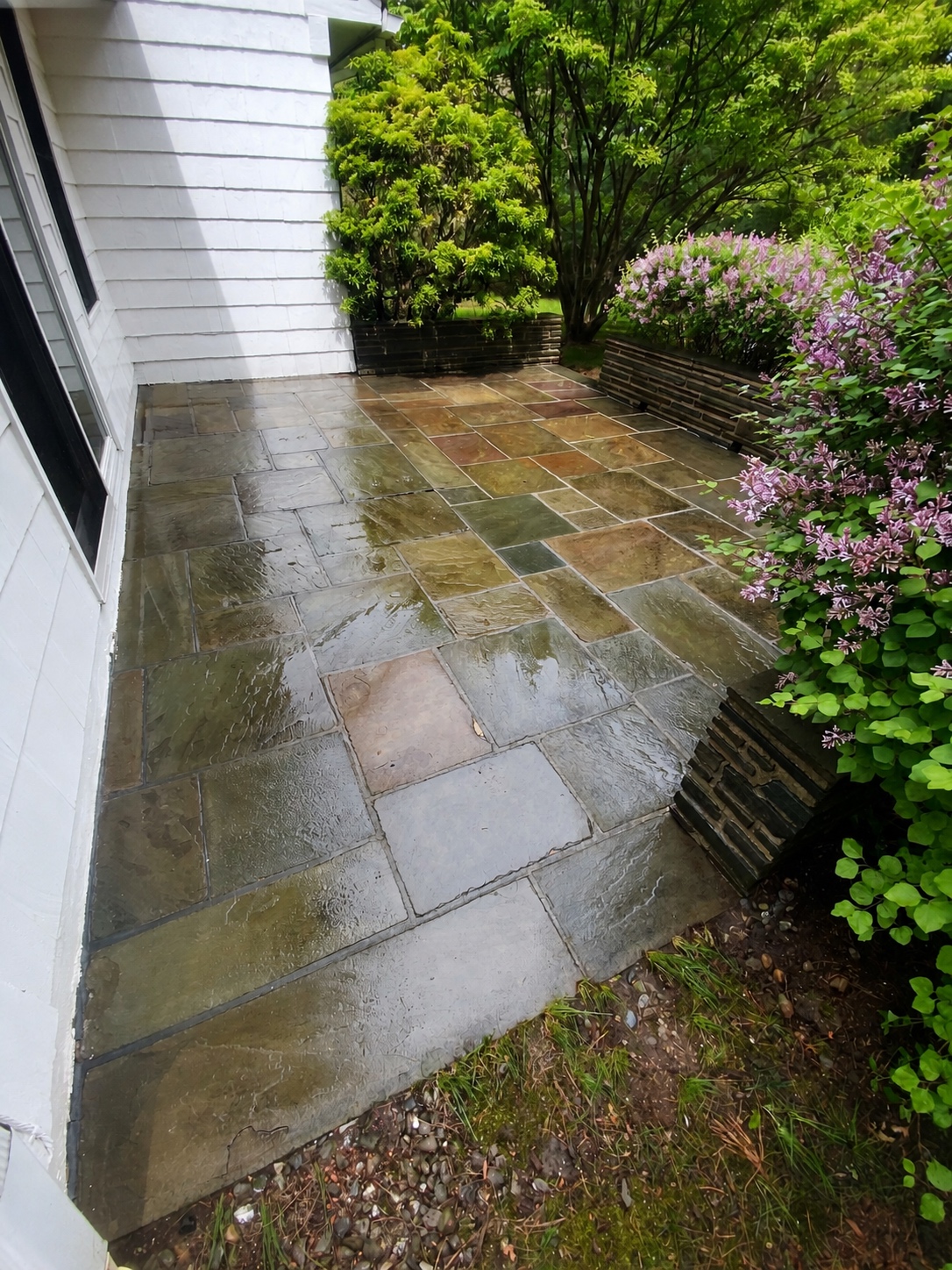
Decks, patios, and walkways
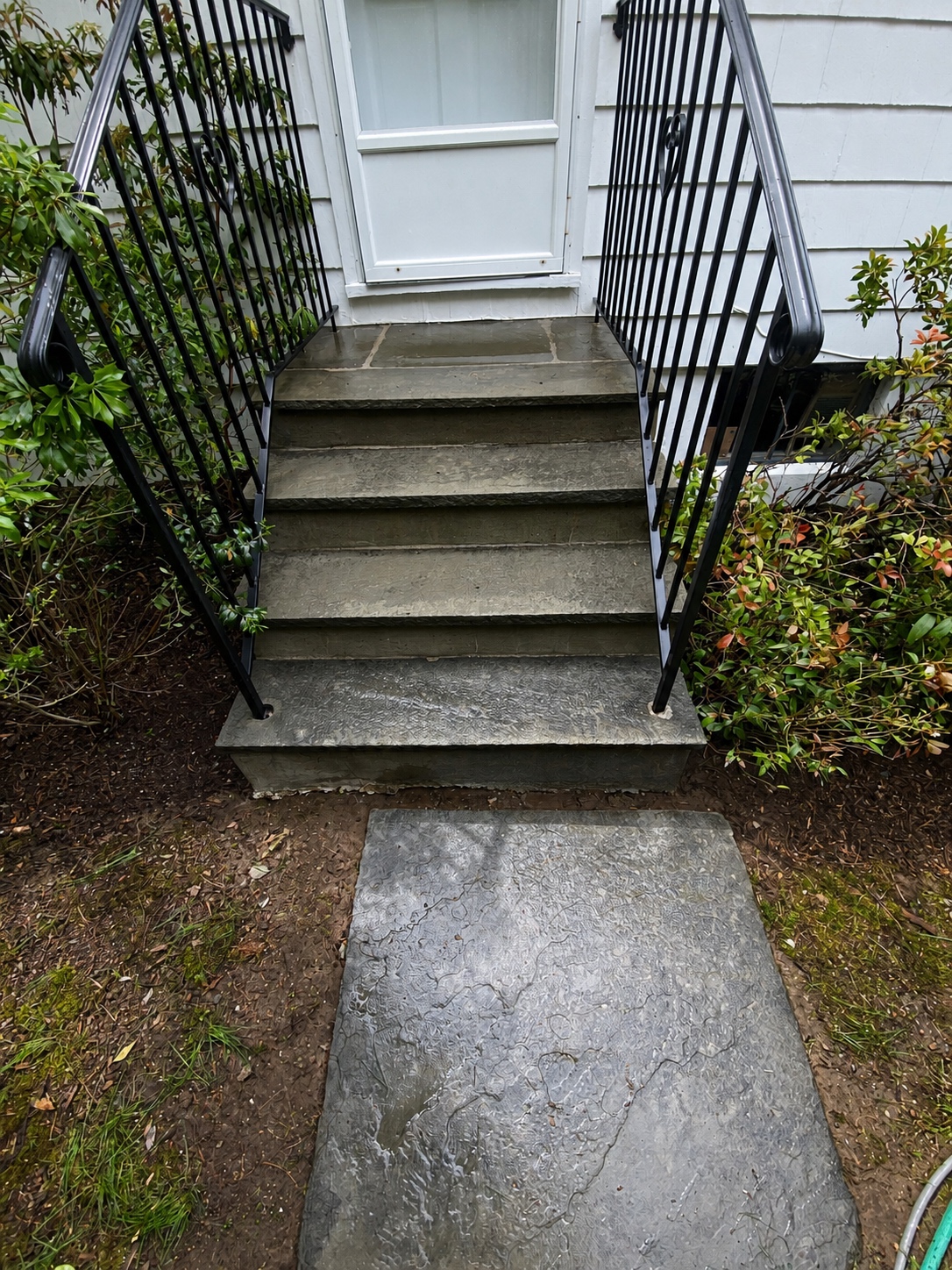
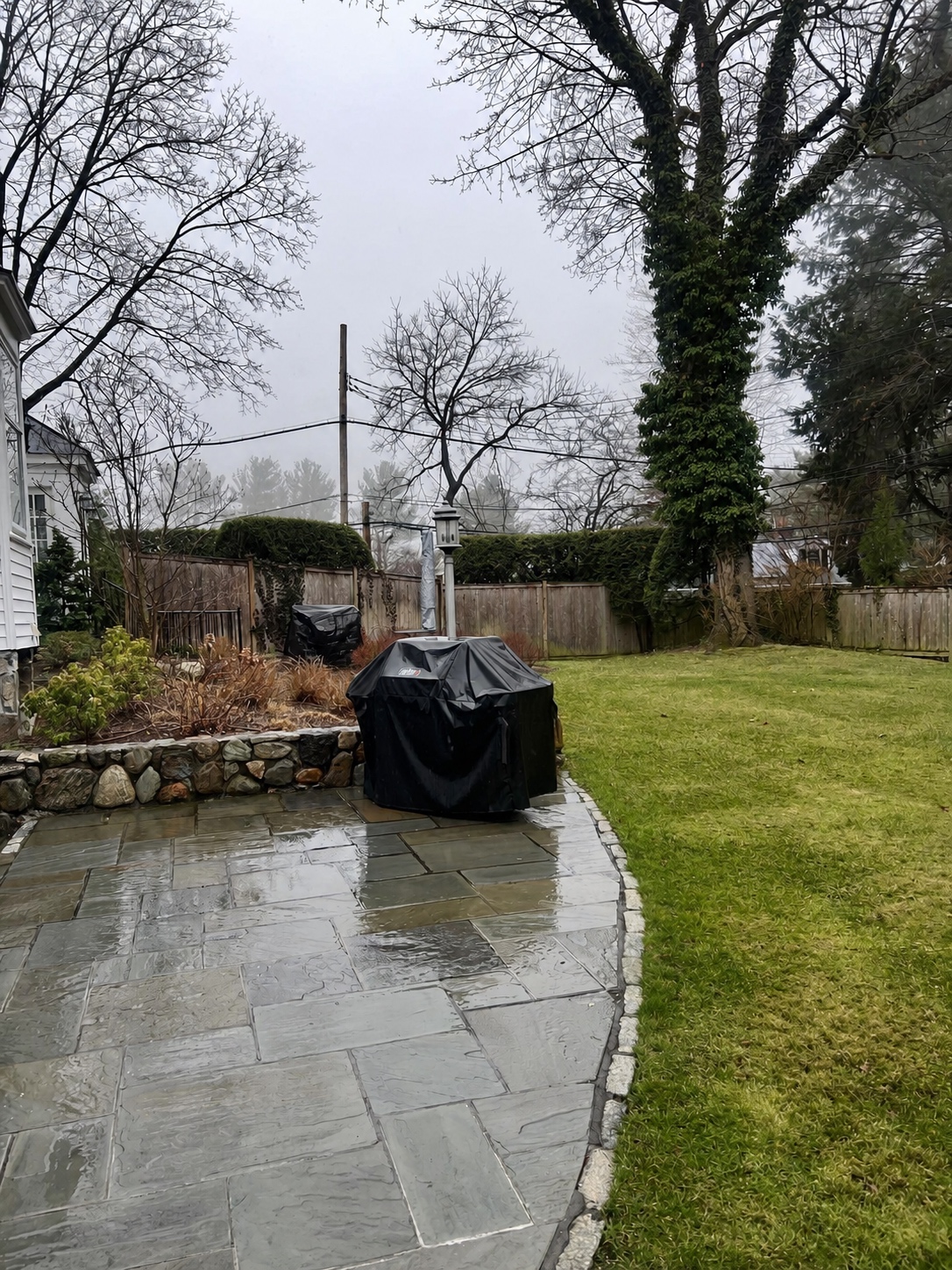
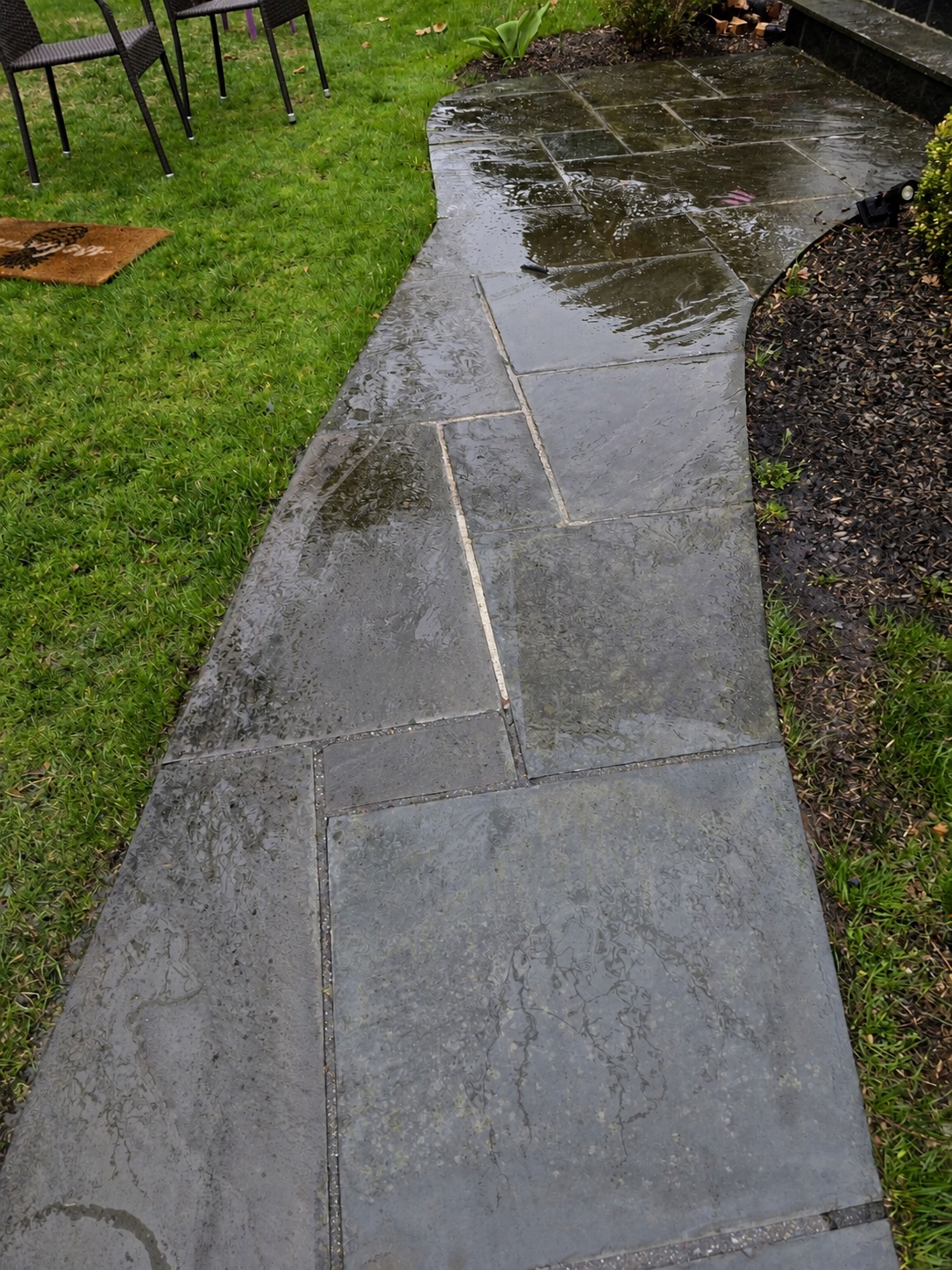
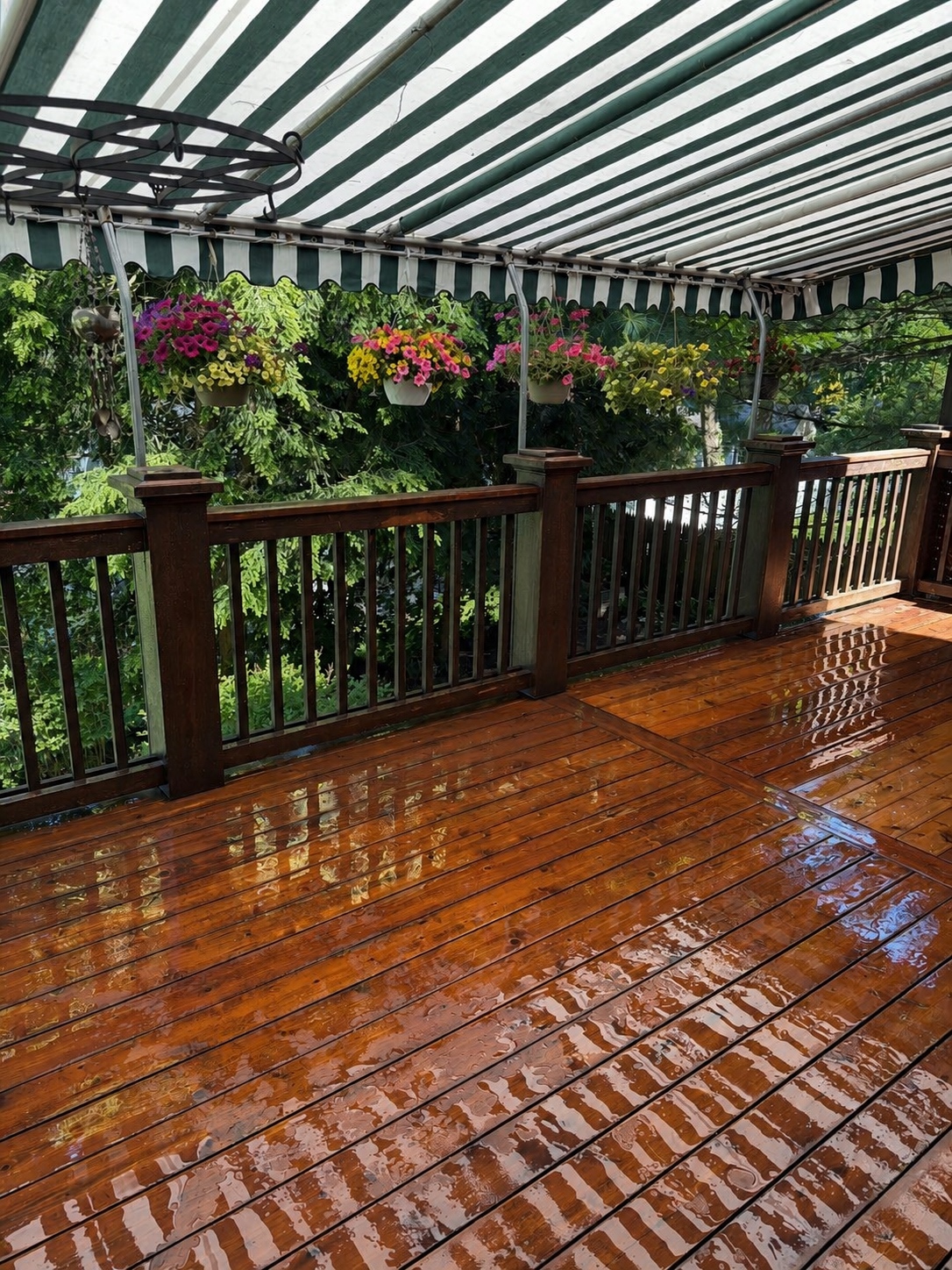
Deck boards, railings, stone patios, pavers, and walkways cleared of dirt, algae, and mildew without scarring the surface.
Driveways and concrete
Concrete, asphalt, and paver driveways, garage aprons, and steps, where higher pressure and a surface cleaner do the work.
Roofs and gutters
Roof surfaces and gutter exteriors treated with low-pressure soft washing, which lifts algae and black streaking without lifting shingles.
Pre-paint surface preparation
The wash that comes before an exterior repaint, removing chalking, dirt, and mildew so primer and paint bond to a clean, dry surface.
Serving Westchester County, NY and nearby Fairfield County, CT. Armonk, Bedford, Chappaqua, Scarsdale, Rye, White Plains, Harrison, Larchmont, Mamaroneck, Katonah, Mount Kisco, Pleasantville, Tarrytown, Yorktown Heights, and surrounding areas.
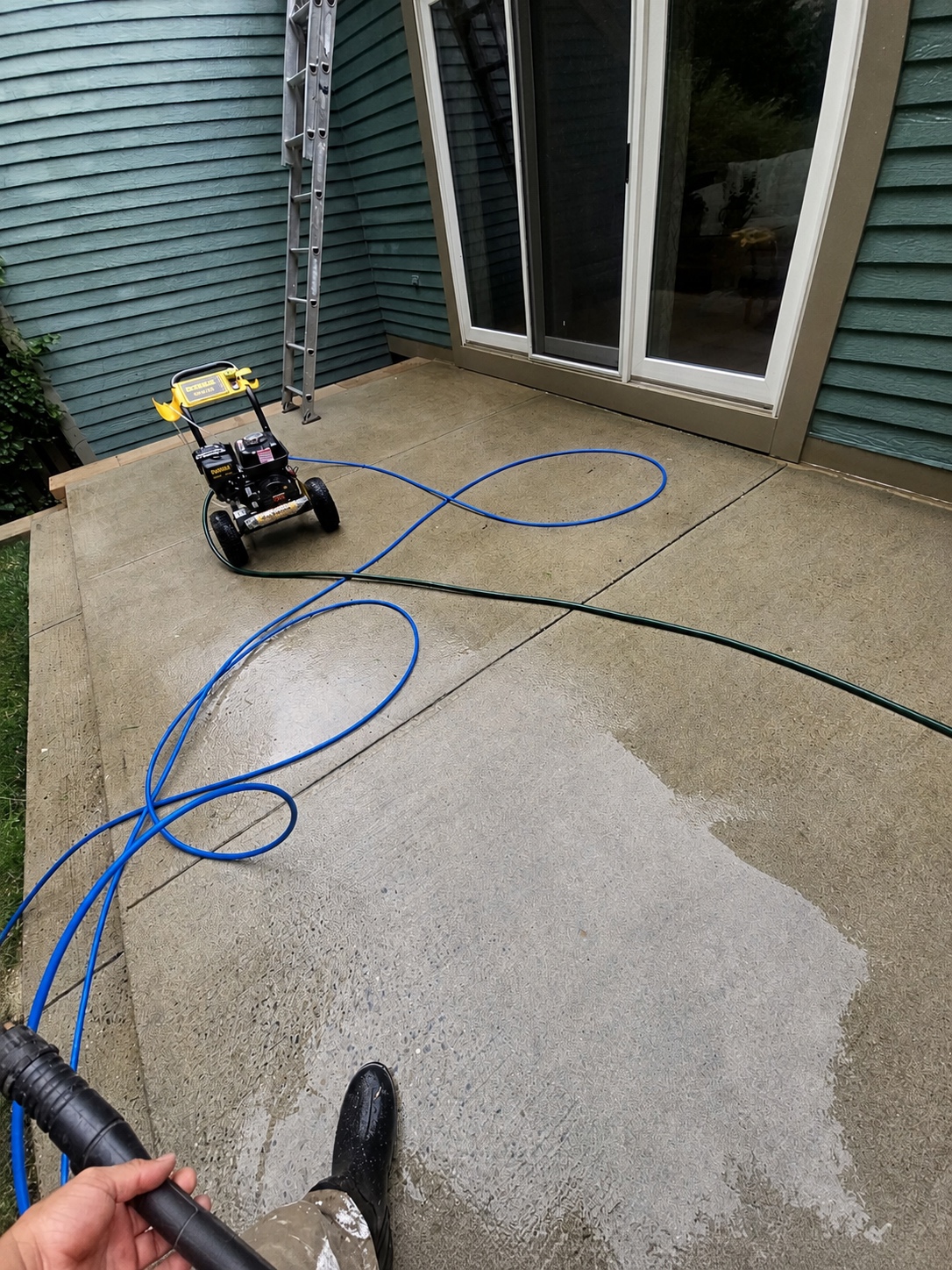
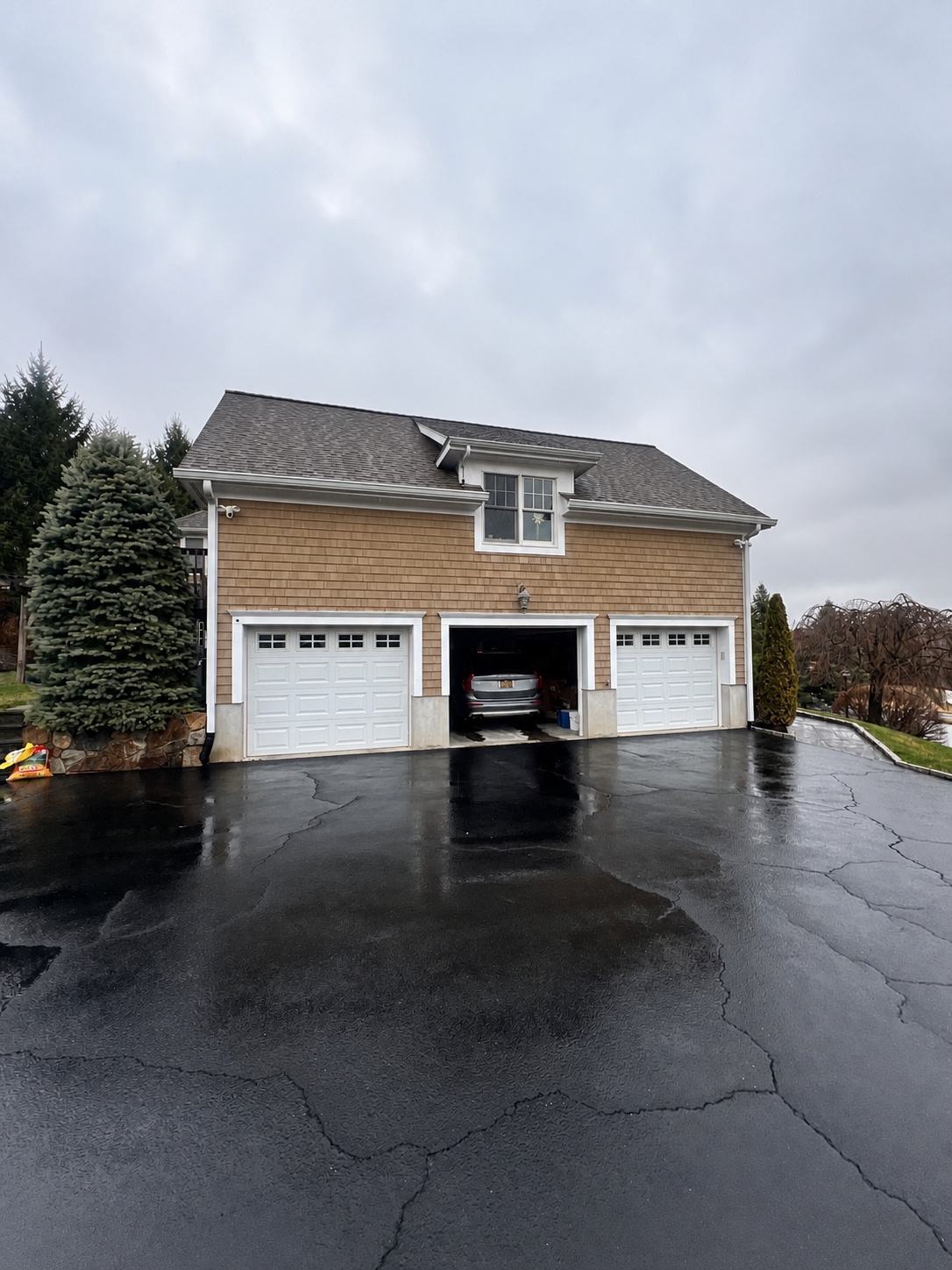
Pressure washing projects across Westchester
Our Pressure Washing Process
Our process is designed to make the project feel clear, organized, and properly handled from the first conversation to the final walkthrough.
Initial Conversation
- Which surfaces you want cleaned
- Whether painting follows the wash
- Staining and problem areas to look at
Consultation and Scope Review
- Each surface and its material reviewed on-site
- Where soft washing replaces high pressure
- Timing, results, and expectations aligned
Clear Proposal
- Everything included clearly listed
- What is not included, in writing
- How the project will be handled
Scheduling and Preparation
- Project scheduled around the weather window
- Water access and start date confirmed
- Production team and equipment prepared
Pressure Washing and Final Walkthrough
- Landscaping, fixtures, and openings protected
- Pressure set per surface, soft washed where needed
- Site rinsed and cleared, final walkthrough
Future Support
- Available for future painting needs
- Maintenance timing questions welcome
- Seasonal washing scheduled as needed
From the blog
Latest painting tips and stories
Stay updated on projects, techniques, and expert advice from the Genesis team.
Pressure Washing Questions Homeowners Often Ask
What affects the cost of pressure washing?
Pressure washing cost depends on how much square footage is being cleaned, which surfaces are included, how heavy the buildup is, how much of the property has to be reached from a ladder or lift, and whether the job needs soft washing and cleaning solution rather than a straight rinse. A wash that is part of an exterior painting project is usually quoted with that project.
What is the difference between pressure washing and soft washing?
Both remove dirt, mildew, and algae, but they get there differently. Pressure washing relies on force, and soft washing relies on a cleaning solution and a gentle rinse, which is what fragile surfaces need.
- Concrete, pavers, and brick: Higher pressure, often with a surface cleaner for an even finish
- Siding, stucco, and painted wood: Moderate pressure, since too much drives water behind the surface
- Roofs, shingles, and older cedar: Soft washing only, because pressure damages the material
How long does a pressure washing project take?
Most houses take a day or less, and a driveway or patio on its own is usually a few hours. Heavy staining, multiple surfaces, and hard-to-reach areas add time. When the wash is prep for painting, we also build in drying time, because surfaces need to be fully dry before primer or paint goes on.