
Painting siding: vinyl, aluminum, wood, and when to replace instead
What each siding material needs, why dark colors are a risk on vinyl, and how to tell whether painting or replacing is the better spend.
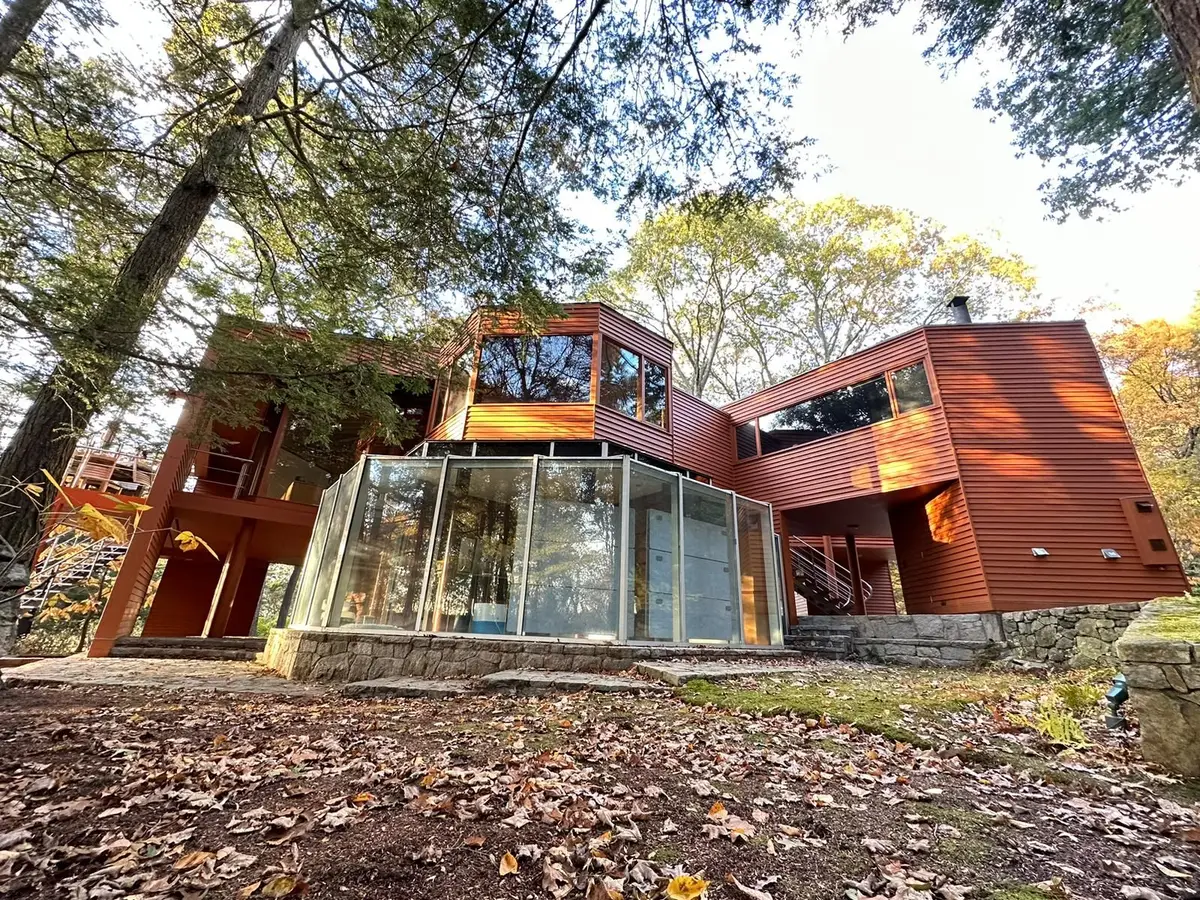
"Can I paint my siding?" almost always has the answer yes. The useful questions are what it needs, and whether it is worth it.
Vinyl
Vinyl can be painted, and it holds up well when it is done right. Two things matter.
Cleaning is most of the job. Vinyl holds a chalky oxidised film that has to come off completely, or the paint bonds to the powder rather than the siding.
Color is a real constraint. Vinyl expands and contracts with heat, and it is engineered around how much it absorbs. Go substantially darker than the original and the panels can absorb enough heat to warp, buckle, or pull at the fasteners, and that damage is not reversible. Products formulated for vinyl in darker shades exist and reflect more heat than their color suggests; outside those, staying at or lighter than the original tone is the safe rule.
Aluminum
Aluminum takes paint well and is often the best candidate on the street, because aged aluminum looks tired long before it is failing. It chalks heavily, so washing is essential, and bare or corroded spots need spot priming.
Unlike vinyl, aluminum has no color restriction. It does not warp.
Wood siding and shingles
The most work and the best result. Wood needs the full sequence: wash, scrape back failing paint to sound material, feather the edges, sand, treat or replace rot, prime bare wood, then coat. On an older house that has not been maintained, scraping is the majority of the labor.
The trade-off is that wood, done properly, looks better than any other siding and can be maintained indefinitely.
Stucco
Wants a breathable coating: a film that traps moisture in stucco causes it to spall. Cracks get repaired first, and hairline crazing usually needs an elastomeric product rather than standard paint.
Brick
Paintable, and close to irreversible. Once brick is painted it needs repainting forever, because stripping it is punishing. Worth deciding slowly.
Painting versus replacing
Painting is the better spend when the siding is sound but tired: the material is intact, the fasteners hold, and the problem is color and finish. That is most houses.
Replacing wins when:
- Boards are widely rotted rather than locally damaged
- Vinyl is cracked, brittle, or has warped
- There is a moisture problem in the wall that new paint would seal in
- Multiple boards are cupped or splitting
The honest test is what is behind it. Failing paint on sound wood is a painting job. Failing paint because water has been getting into the wall for years is a repair job with painting at the end of it, and coating it first just hides the meter running.
That is one of the things a walkthrough is for: probing the wood rather than looking at the color. More on our exterior painting page, and on carpentry repair when boards need replacing.
Planning a painting project?
Book a professional, no-pressure consultation with Genesis Pro Painting.
Schedule a Consultation