
Oil-based or water-based paint?
What each one is actually good at, why almost everything is water-based now, and the few places oil still earns its place.
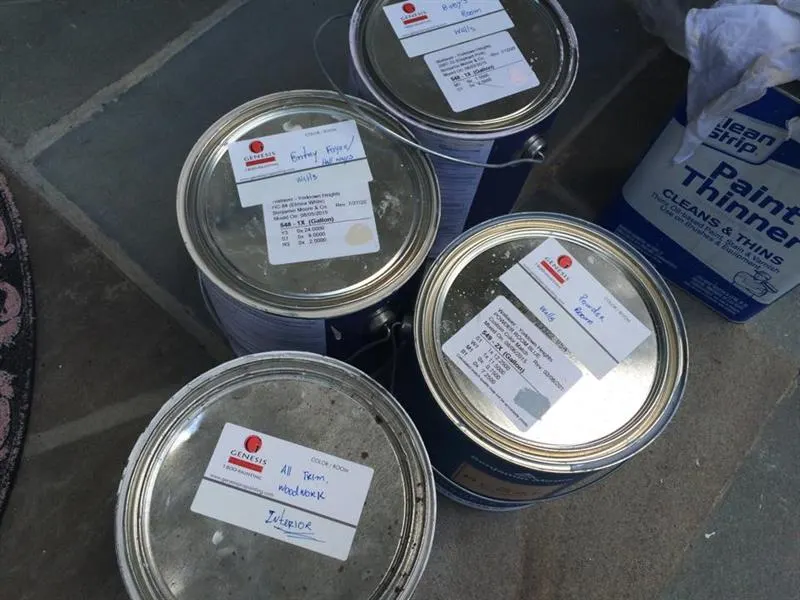
This used to be a real debate. Modern water-based coatings have closed most of the gap, and regulations have narrowed where oil is even available. But the distinction still matters in a few places.
Water-based (latex, acrylic)
Good at: flexibility, color retention, fast recoat times, low odour, easy cleanup, and staying white rather than yellowing.
Where it goes: walls, ceilings, and (with modern acrylic enamels) most trim and doors. Exteriors, essentially always. The flexibility is the reason: exterior wood moves through the seasons, and a coating that flexes with it outlasts one that stays rigid and cracks.
Acrylic enamels have improved enormously. A good waterborne enamel now levels well enough that brush marks largely disappear, which was the historic argument for oil on trim.
Oil-based (alkyd)
Good at: hardness, adhesion to difficult surfaces, blocking stains, and levelling to a very smooth film.
Where it still earns its place:
- Stain-blocking primers. For water stains, smoke damage, tannin bleed from cedar or redwood, and knots in new pine, a shellac or oil-based primer does what water-based products struggle with.
- Bare or previously oil-painted metal, including handrails.
- Some cabinetry and millwork, where the hardest possible cured film is the priority: though modern waterborne cabinet enamels are the more common choice now.
- Floors and stairs in some cases.
The drawbacks are real: long recoat times, strong odour, solvent cleanup, and (the important one for interiors) it yellows. An oil-painted white trim goes cream within a few years, particularly anywhere it does not get daylight, like inside a closet or behind a door.
Painting water-based over oil
This is where most adhesion failures come from. Water-based paint over an existing oil film without preparation peels off in sheets, sometimes months later.
If the existing coating is oil (which on trim in an older house it usually is) the surface has to be de-glossed by sanding and then primed with a bonding primer before a waterborne finish goes on.
How to tell what you have: rub a small hidden area with denatured alcohol on a cloth. Water-based paint softens and transfers colour to the cloth. Oil does not.
The practical answer
For almost everything in a house today: water-based, with an oil or shellac-based primer where there is a stain or a bleed to block. That is what we specify on most projects, chosen surface by surface rather than as a house-wide default.
Which product goes where is part of the scope discussion at the walkthrough, and it is written into the proposal rather than decided on site.
Planning a painting project?
Book a professional, no-pressure consultation with Genesis Pro Painting.
Schedule a Consultation