
Getting paint off carpet, and other cleanup
What to do about paint on carpet, hardwood and glass, and the protection that means you never need any of it.
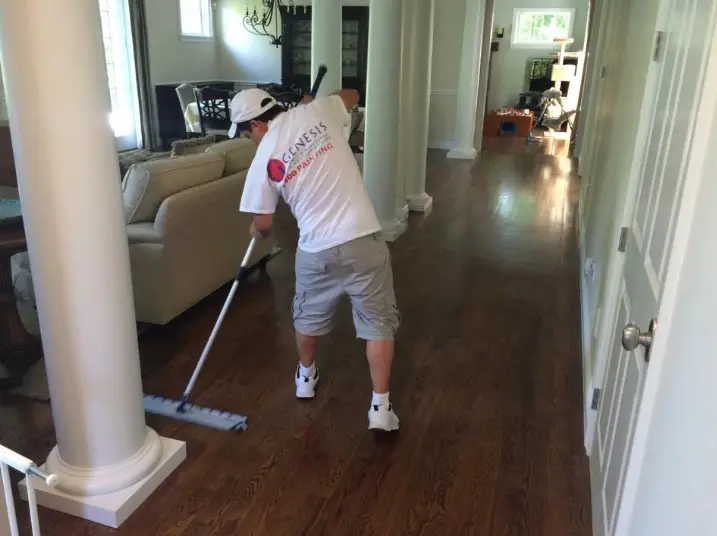
The best advice about paint on carpet is that it should not be a question, because the floor should have been covered. But accidents happen, and speed matters more than technique.
On carpet
Act while it is wet. Almost everything is recoverable wet and almost nothing is easy once cured.
Blot, do not rub. Rubbing works the paint deeper into the pile and spreads it. Press a clean white cloth into the spot and lift.
Water-based paint: blot up what you can, then work in a little warm water with a small amount of dish soap. Blot again with clean cloth, repeat, and finish by blotting with plain water so no soap residue stays behind to attract dirt.
Oil-based paint: blot, then use the solvent named on the can, sparingly and on a cloth rather than poured on. Test on a hidden patch of carpet first: some solvents damage synthetic fibres and some carpet dyes.
Dried paint: carefully scrape the crust off the top of the pile with a blunt knife, vacuum the flakes, then soften what remains. Water-based paint sometimes gives up to steady work with warm soapy water and patience. Cured oil paint on carpet usually does not come out, and cutting the affected tufts off at the base with small scissors is often the better repair: the pile is dense enough that a few missing tufts disappear.
On hardwood
Wet: wipe immediately with a damp cloth. Dried water-based paint on a sealed floor usually lifts with warm water and a plastic scraper. Do not use a metal blade, and do not use solvents on a finished floor without testing. You can strip the floor finish and leave a dull patch worse than the paint.
On glass
The easy one. A razor blade held at a shallow angle takes dried paint off glass cleanly. Wet the glass first with soapy water so the blade slides rather than scratches, and keep the blade flat.
On brick and stone
Difficult, and worth being realistic about. Masonry is porous and paint goes into it rather than onto it. Wet paint can be flushed with water quickly. Dried paint generally needs a masonry-safe stripper and patience, and aggressive scrubbing can damage the surface permanently.
The version where none of this happens
Protection is a preparation step, not tidiness. On our projects that means floors covered wall to wall rather than where someone expects to stand, furniture covered rather than draped, and hardware and fixtures removed rather than cut around.
It is the least visible part of the job and it is the part homeowners notice most while it is happening: see why preparation decides how a job ages.
Planning a painting project?
Book a professional, no-pressure consultation with Genesis Pro Painting.
Schedule a Consultation