
How long a paint job should last, and how to get there
Realistic lifespans for interior and exterior paint in the Northeast, why one elevation always fails first, and the maintenance that adds years.
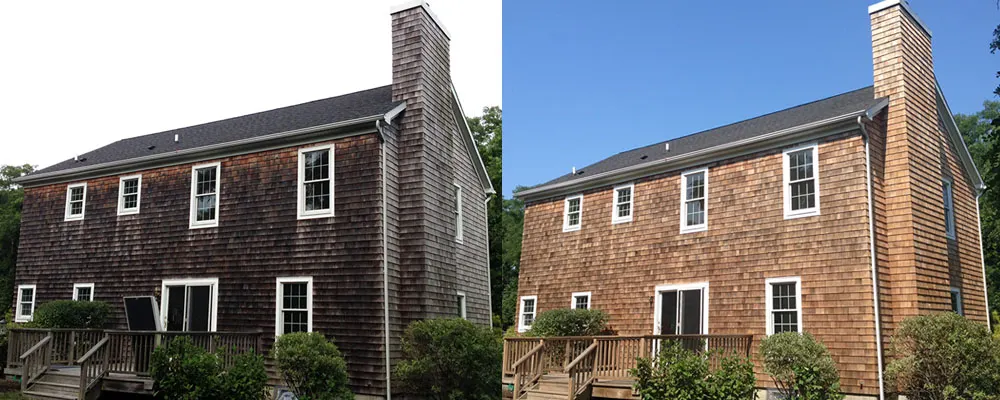
"How often should I repaint?" has an honest answer and a useless one. The useless one is a single number. The honest one depends on which surface, which direction it faces, and what was done last time.
Realistic ranges
Interior walls: 5 to 10 years in living spaces. Hallways, kids' rooms, and kitchens come round sooner because of contact, not because the paint failed.
Interior trim and doors: longer than walls, until something gets damaged.
Exterior wood siding: 5 to 8 years in this climate, and that assumes proper preparation.
Exterior trim, sills, and fascia: shorter. These take the most water and are usually where the next job starts.
Decks: 2 to 4 years for a horizontal surface that gets sun, water, and foot traffic. Vertical railings last considerably longer than the deck floor.
Those ranges assume the job was prepared properly. On a badly prepared surface, none of them apply.
Why one side always fails first
A house does not weather evenly, and treating it as one surface is why repaint cycles feel unpredictable.
South and west elevations take direct sun. UV breaks down the binder in the coating, and color fades. This is where you see chalking: a powdery film when you rub the siding.
North elevations and anything under trees stay damp. They dry slowly after rain, hold mildew, and grow the dark streaking that people mistake for dirt. This is the most common failure on wooded lots in Cross River and Chappaqua.
Anything horizontal (sills, railing caps, deck boards, the tops of trim) holds standing water and fails first everywhere.
Near the Sound, salt air accelerates all of it and corrodes fasteners and hardware alongside the coating.
What actually adds years
- Wash the exterior annually. Removing mildew and dirt before it establishes is the single cheapest thing you can do for the finish.
- Keep gutters clear. Most rotted fascia traces back to a gutter that overflowed for two seasons.
- Cut back plantings touching the siding. Anything holding moisture against wood shortens its life dramatically.
- Re-caulk before it opens. Caulk fails before paint does, and once water is behind the trim the clock speeds up.
- Touch up the horizontal surfaces (sills and railing caps) between full repaints. Two hours of work delays the whole job by a season or more.
- Deal with rot when it is small. Carpentry repair on a sill costs a fraction of replacing the whole board later.
The signs it is time
Chalking, hairline cracking or alligatoring, paint lifting at the bottom edge of siding boards, dark streaks that do not wash off, exposed grey wood anywhere, and caulk lines that have split open. When any of those are widespread, waiting another year adds scraping to the next job, which is the expensive part.
Our craftsmanship warranty is three years, and we stay available for maintenance questions after that.
Planning a painting project?
Book a professional, no-pressure consultation with Genesis Pro Painting.
Schedule a Consultation