
What affects interior painting costs in Westchester County?
A practical guide to the preparation, repairs, trim, access, color changes, and scope decisions that shape an interior painting estimate in Westchester.
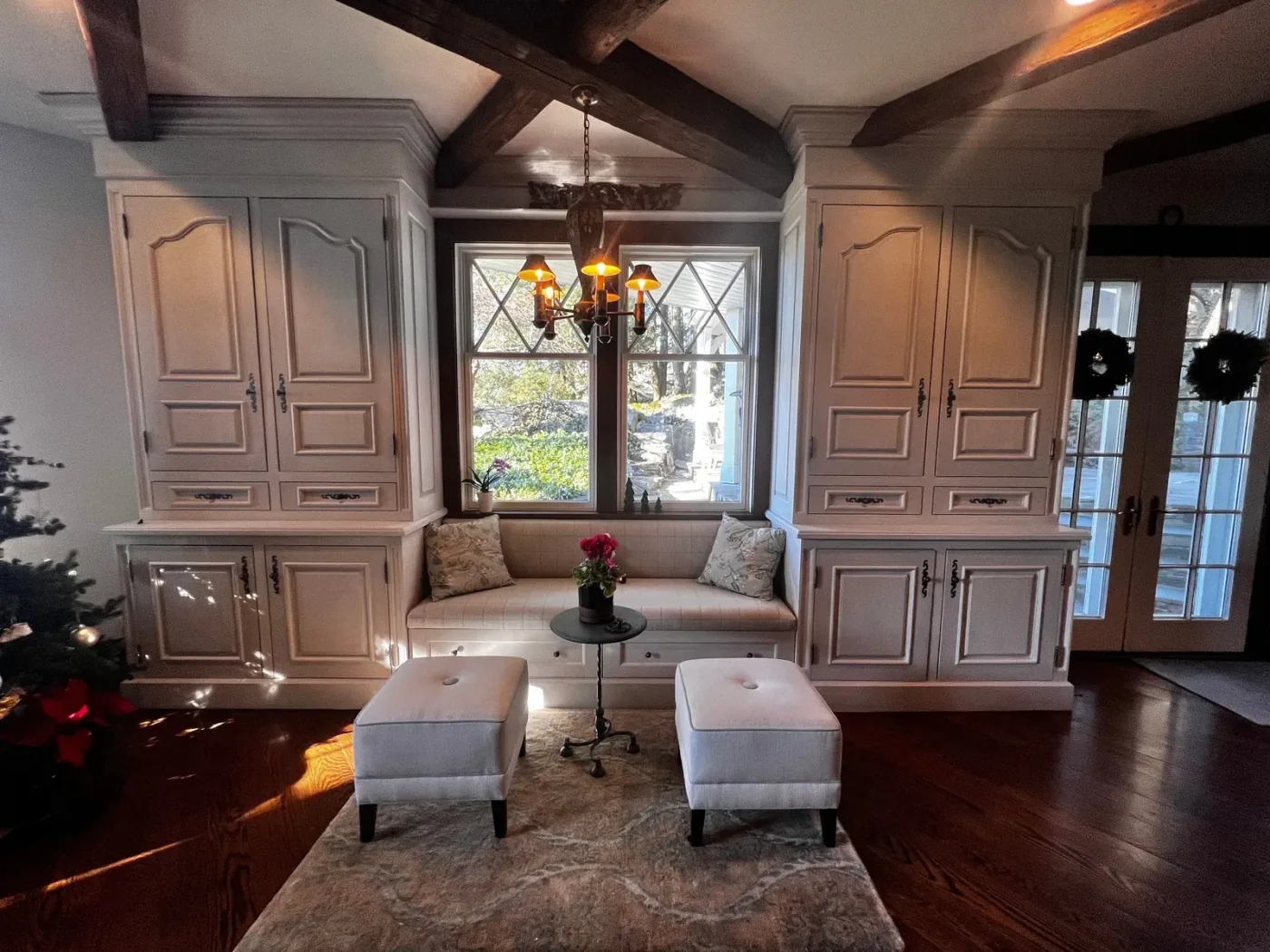
An interior painting estimate in Westchester County cannot be reduced to one reliable price per room or one square-foot number. The size of the space matters, but the condition of the walls, the amount of trim, the repairs, the color change, and the protection required often matter more.
That is why Genesis Pro Painting provides an on-site consultation before giving a firm proposal. The goal is not to start with a low number and add surprises later. It is to identify the complete scope before the project begins.
Why two similar rooms can have very different costs
Consider two rooms with the same dimensions. The first has smooth walls, standard-height ceilings, minimal furniture, and a similar color going over the existing paint. The second has cracked plaster, failed caulk, water stains, detailed crown molding, built-ins, and a dark color that needs to become white.
They may have the same floor area, but they are not the same painting project. The second room requires more protection, preparation, materials, coats, and skilled detail work. An online calculator cannot see those differences.
For homeowners comparing proposals, the most useful question is not simply, "What is the price per room?" It is, "What work is included in this price?"
The factors that affect an interior painting estimate
Surface condition and preparation
Surface condition is usually the largest variable. Nail pops, cracks, loose tape, failed caulk, old wallpaper adhesive, water stains, peeling paint, and previous repairs all have to be addressed before the finish coats go on.
A wall can look acceptable from across the room and still reveal defects once furniture is moved and light hits it from the side. Proper paint preparation takes time, but it is what prevents patches, cracks, and uneven areas from showing through the completed work.
Walls, ceilings, trim, and doors
A proposal for walls only should not be compared with a proposal that also includes ceilings, baseboards, crown molding, windows, doors, and built-ins.
Trim and doors carry more labor per square foot than open walls. They require careful sanding, caulking, masking, and controlled application. Detailed millwork, wainscoting, coffered ceilings, paneled doors, and built-in cabinetry increase the amount of precision work substantially.
Repairs discovered during the walkthrough
Interior painting often exposes work that belongs in the scope but is not technically painting. Damaged drywall, loose corner bead, cracked plaster, rotted window trim, and damaged molding may need repair before the surfaces can be finished correctly.
Genesis Pro Painting identifies drywall repairs and carpentry repairs separately in the proposal so homeowners can see what is being corrected and what is being painted.
Color changes and number of coats
Repainting a light neutral with a similar color is usually more straightforward than covering a deep blue, red, green, or other saturated finish with a much lighter color.
Major color changes may require a tinted primer or an additional finish coat to achieve even coverage. Some colors naturally cover better than others. The proposal should state the expected number of coats instead of leaving that decision until the crew is already working.
Ceiling height and access
Standard rooms are easier to stage and complete than two-story foyers, stairwells, vaulted ceilings, and rooms with tall window walls. High or difficult areas require additional equipment, protection, setup, and time.
Access also matters in furnished and occupied homes. Moving through narrow hallways, protecting finished staircases, and maintaining usable living areas requires more planning than painting an empty house.
Protection and daily cleanup
A professional interior project includes more than paint application. Floors, furniture, countertops, fixtures, and adjoining rooms need protection. Work areas may need containment, and occupied homes need clean access paths and an orderly reset at the end of each day.
Those steps are part of the labor. They are also part of what separates an organized painting experience from a crew simply arriving with brushes and drop cloths.
Why Westchester homes require a detailed walkthrough
Homes across Katonah, Bedford, Chappaqua, Mount Kisco, Bedford Hills, Goldens Bridge, and Armonk vary widely in age, architecture, and finish detail. One project may involve newer drywall and simple trim. Another may include plaster, extensive millwork, older coatings, built-ins, and repairs accumulated over decades.
That is why our interior painting service begins with a scope review rather than a generic room price. We look at the actual surfaces, identify the preparation required, discuss color and finish choices, and confirm how the home will be protected while work is underway.
Homeowners planning projects in the Town of Bedford can also review our Bedford painting services, while those farther south can learn more about our work in Chappaqua and Armonk.
What can reduce the total project cost
Several choices can make an interior project more efficient without lowering the quality of the work:
- Paint connected rooms during the same project instead of scheduling several separate visits
- Stay reasonably close to the existing wall color
- Address water leaks or moisture problems before the painters arrive
- Decide on colors before the scheduled start date
- Remove small and fragile belongings from the work areas
- Bundle walls, ceilings, trim, and doors that are likely to need painting soon
Setup, protection, travel, and cleanup are repeated every time a crew returns. Completing related spaces together is often more efficient than dividing the same work into several small projects.
How to compare interior painting proposals
A lower proposal is not necessarily a better value, and a higher proposal is not automatically more complete. Compare what each contractor has actually included.
A clear proposal should identify:
- The rooms and surfaces being painted
- Whether walls, ceilings, trim, doors, closets, and built-ins are included
- The preparation and repairs included
- The primer and expected number of finish coats
- The products and sheen levels
- How floors, furnishings, and adjacent areas will be protected
- Cleanup and disposal responsibilities
- The expected schedule
- Anything specifically excluded
Two estimates that differ substantially often describe two different scopes of work. If the details are not in writing, it is difficult to know what you are comparing.
How to get an accurate interior painting estimate
The only dependable way to price an interior painting project is to inspect the rooms and define the scope. During a Genesis Pro Painting consultation, we review the surfaces, preparation, repairs, access, protection, colors, and timing before providing a written proposal.
If you are planning interior painting in Westchester County, schedule a consultation or call (914) 537-2468. We will walk the project with you and explain what affects the estimate before any work is scheduled.
Planning a painting project?
Book a professional, no-pressure consultation with Genesis Pro Painting.
Schedule a Consultation